
Built on Passion for Outdoor Construction
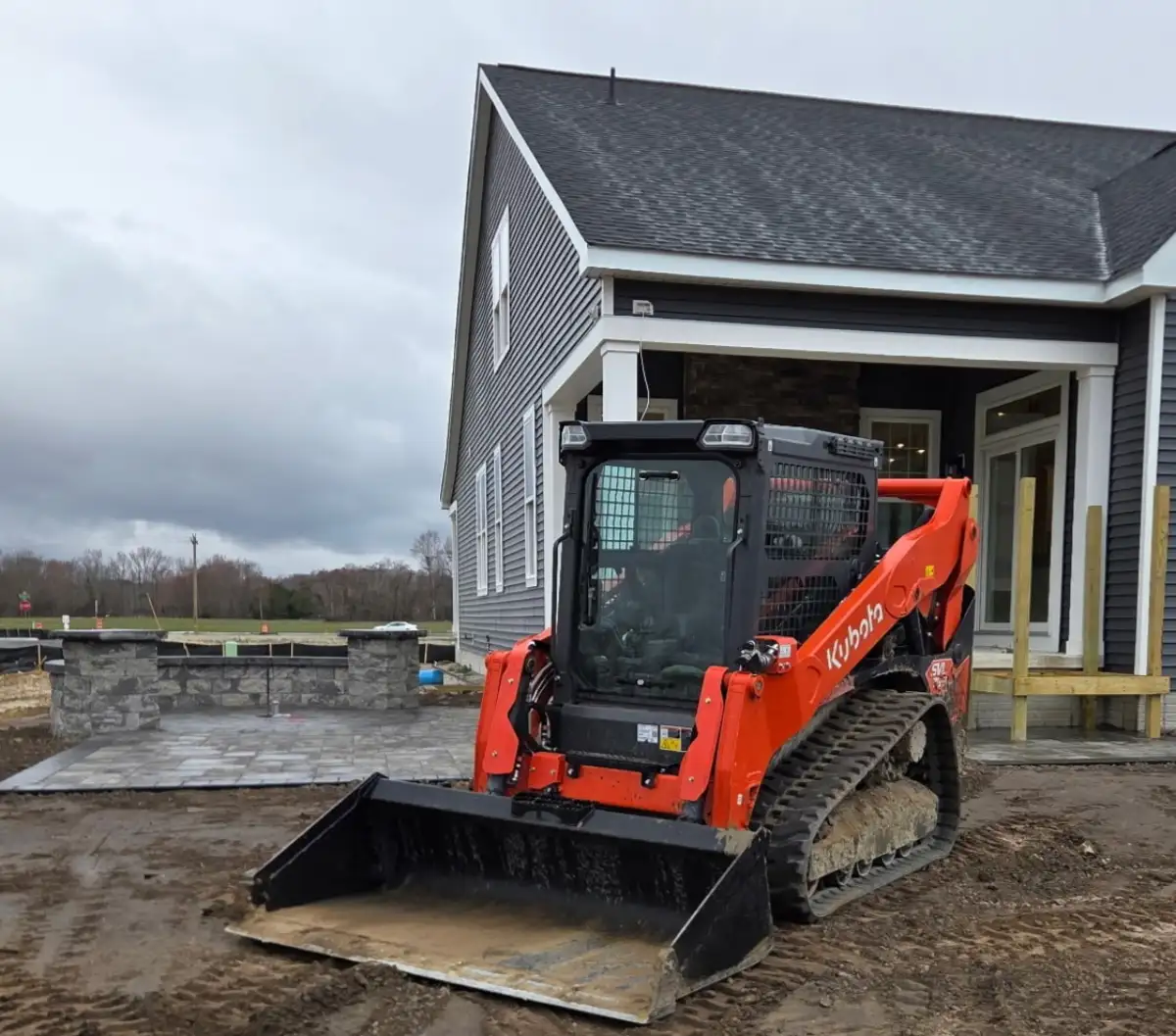
Just Imagine Landscaping started the way most good things do — with hands in the dirt and a genuine love for building outdoor spaces that bring people together. Founded in Dagsboro, Delaware, we grew from a small crew with big ambitions into Sussex County's trusted design-build firm for pools, patios, outdoor kitchens, and complete hardscape environments. Today, known as Just Imagine Hardscapes & Pools, we help homeowners imagine landscape transformations that redefine how they live outdoors.
Our founders brought together over two decades of combined experience in excavation, grading, masonry, pool installation, and outdoor construction. That hands-on background shapes everything we do. We understand what it takes to turn a blank backyard into a space where families gather, entertain, and make memories year after year.
Today, we serve homeowners across coastal and inland Sussex County — from Lewes and Rehoboth Beach to Millsboro, Milton, and everywhere in between. We remain a local company, and that is intentional. Staying close to the communities we serve means we can deliver consistent quality, responsive communication, and the kind of accountability that comes from being your neighbor.
Design-Build, Done Right
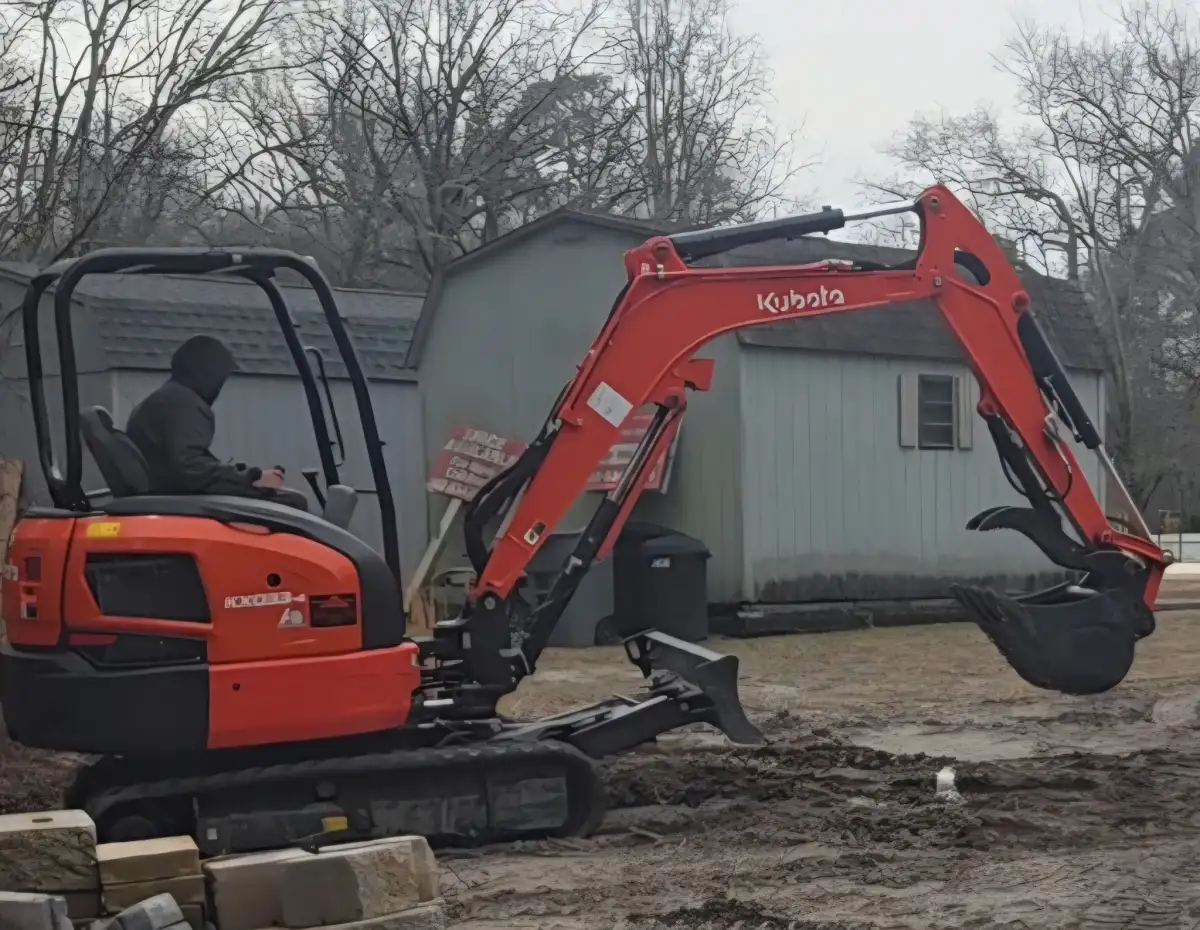
We are a true design-build firm. That means every phase of your project — from the initial concept and site preparation to construction, finishing details, and final walkthrough — is handled by our team. We do not subcontract excavation to one company, masonry to another, and electrical to a third. One team manages and executes the entire build.
This approach eliminates the coordination problems, scheduling delays, and finger-pointing that plague projects split between multiple contractors. When you work with us, you get a single point of contact who knows every detail of your project because they have been involved from day one.
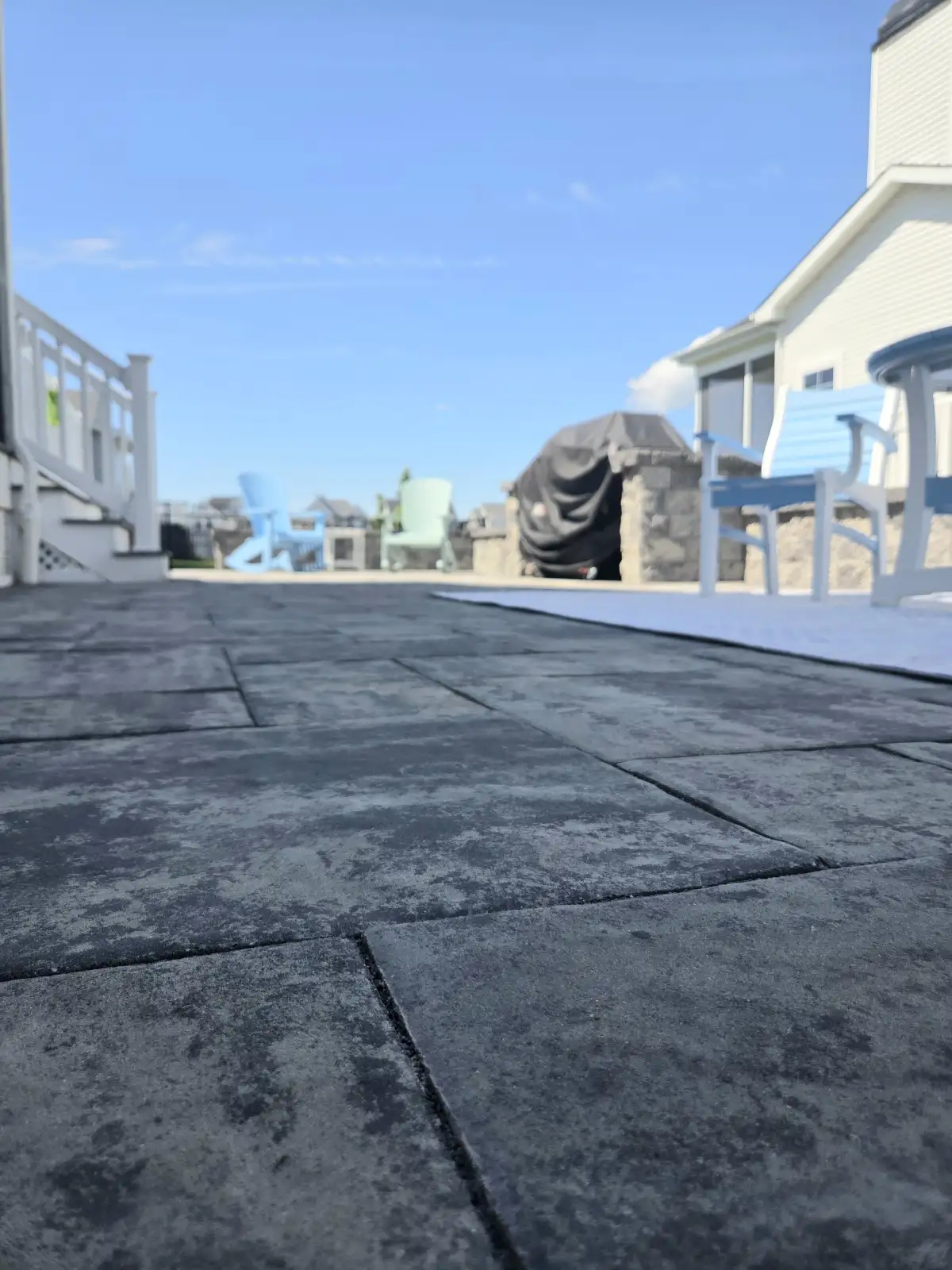
Whether it is a custom inground pool, a paver patio with an outdoor kitchen, or a complete backyard transformation with retaining walls, fire features, and landscape lighting, we design each element to work together as a cohesive environment — not a collection of disconnected features added one at a time.
Why Sussex County Homeowners Trust Us
Choosing the right contractor for a pool installation or major hardscape project is one of the biggest decisions a homeowner makes. When Sussex County homeowners imagine landscaping that transforms their backyard into a true outdoor living space, they choose Just Imagine because we deliver on every promise:
- Everything in-house — excavation, grading, masonry, plumbing, electrical, and finishing are all handled by our crew
- 20+ years of combined experience in outdoor construction, pool installation, and hardscape design
- Licensed and insured in Delaware — general liability and workers' compensation coverage on every project
- Completed outdoor projects across Sussex County, from focused patio builds to full backyard transformations
- Transparent pricing and communication — detailed estimates, clear timelines, and regular project updates
- Flexible financing available through our Hearth partnership, so your dream project fits your budget
Licensed, Insured & Locally Operated
Just Imagine Hardscapes & Pools is fully licensed to operate in the state of Delaware. We carry comprehensive general liability insurance and workers' compensation coverage, protecting both our team and your property throughout every phase of construction. Our licensing and insurance information is available upon request during your free consultation.
Serving All of Sussex County, Delaware
Based in Dagsboro, we serve homeowners throughout Sussex County's coastal and inland communities. Our service area includes Lewes, Rehoboth Beach, Bethany Beach, Fenwick Island, Selbyville, Frankford, Millville, Millsboro, Milton, Harbeson, Ocean View, and surrounding areas.
We intentionally keep our service area focused so we can maintain quality, stay responsive, and build lasting relationships with the homeowners we serve. When you call, you reach someone who knows your community and your project.
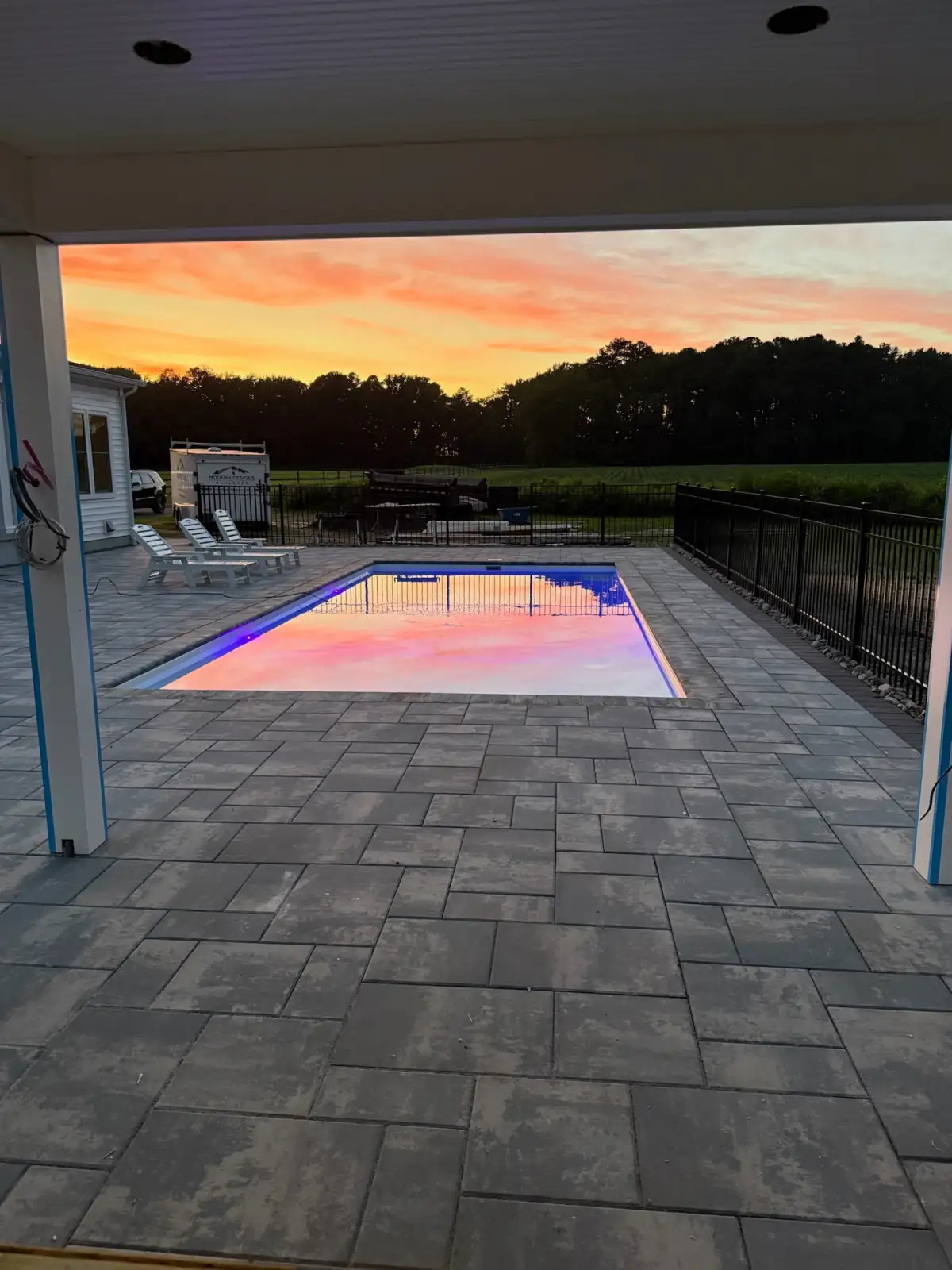
Let's Build Something You'll Love
Whether you are planning a custom pool, a paver patio, an outdoor kitchen, or a complete backyard transformation, it starts with a conversation. Tell us about your space and goals, and we will walk you through the next steps.