
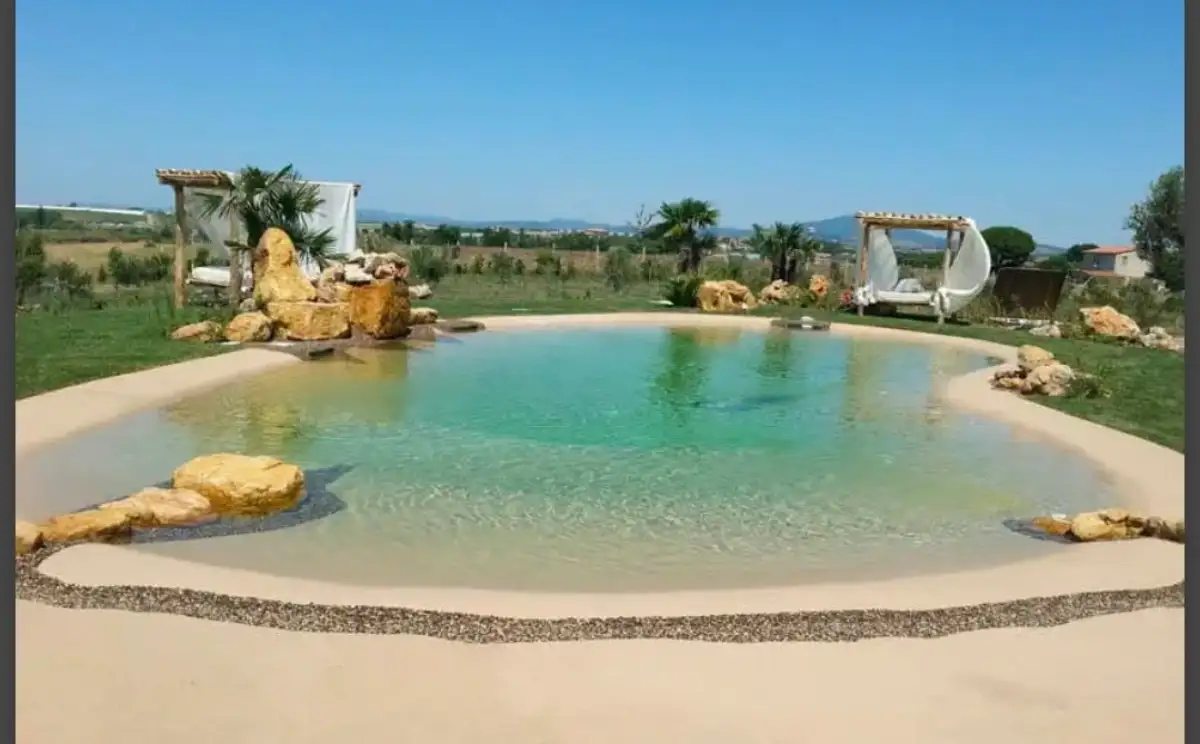
This checklist brings the major booking decisions together so you can spot missing details before the project moves onto the schedule.
Pool proposals are easier to compare when every important question ends with a specific answer: a dimension, responsibility, included item, allowance, drawing, product, approval, or next step. Before booking pool installation, use the questions below to find out whether the pool and the rest of the backyard have been planned as one buildable project.
For Lewes properties, the review should be property-specific. Site access, utilities, easements, existing grades, drainage paths, the authority with jurisdiction, and any community rules can change what is feasible. Delaware stormwater guidance also makes water movement a practical construction issue; the finished pool area should not be considered separately from the way runoff moves across the lot.
“That is included” should appear in the written scope. “We will work it out in the field” should lead to a clear allowance, decision deadline, or change procedure before work begins.
1. What does the property allow?
Start with the physical and regulatory limits of the site. Ask how the proposed layout responds to property access, utility locations, easements, setbacks, nearby structures, existing trees, grades, drainage, fencing, and space for construction equipment. If the property is subject to HOA or community review, confirm what documents or drawings are needed and who will prepare them.
The answer should separate what is already known from what still requires verification. A concept can look comfortable on a sketch but become constrained once setbacks, equipment clearances, safety barriers, patio space, and an excavation route are drawn at the same scale.
2. Where will stormwater go after the pool and patio are built?
A pool project changes more than the space occupied by the water. Coping, pavers, walkways, equipment pads, and changes in grade affect how water moves around the house and yard. Ask for the intended elevations, patio pitch, discharge points, and the treatment of any existing low areas before excavation starts.
Do not rely on a single answer such as “the patio will drain away.” Ask where the water goes next, whether neighboring areas are affected, and how roof runoff or existing yard drainage interacts with the new work. On a property with tight access or flat grades, these decisions may shape the pool elevation and the amount of surrounding hardscape.
3. Which approvals and inspections are included?
Permit and approval responsibilities should be written down. Depending on the property and jurisdiction, the project may involve building or trade permits, safety-barrier requirements, utility coordination, community approval, inspections, or other site-specific review. Ask who identifies the requirements, prepares submissions, pays fees, schedules inspections, and responds if revisions are requested.
Also ask which selections must be final before an application or order can move forward. Late changes to pool placement, equipment, utilities, fencing, or the patio can affect drawings and coordination even when the overall backyard concept appears unchanged.
4. What exactly is included in the construction scope?
A pool estimate should be read as a scope, not only as a total. Look for the pool system, excavation assumptions, soil or unsuitable-condition language, hauling, plumbing, electrical coordination, equipment, interior or liner selection, coping, patio dimensions, grading, drainage, safety features, startup, cleanup, and site restoration. Ask which items are fixed, which are allowances, which are optional, and which are excluded.
Then connect the pool to the usable space around it. The paver patio should provide realistic room for walking and furniture, not just a narrow outline around the water. If lighting, an outdoor shower, a kitchen, or another phase is likely, ask whether utility routes and elevations can be coordinated now.
5. How will changes, unknown conditions, and timing be handled?
Excavation can reveal conditions that were not visible during the first visit. A written process should explain how an unknown condition is documented, priced, approved, and scheduled before extra work proceeds. The same clarity should apply when the homeowner changes a finish, expands the patio, or adds equipment.
Ask for a sequence rather than one completion promise. Site preparation, excavation, the pool structure, utilities, equipment, coping, hardscape, barriers, inspections, startup, and final work depend on one another. Weather, approvals, material availability, and site discoveries can affect the sequence, so ask how updates and decisions will be communicated.
6. What equipment, maintenance, and future costs come with the pool?
Before booking, ask what pump, filter, sanitizer, controls, heating, lighting, and cover options are proposed; where the equipment will sit; and how it can be reached for service. Confirm which features are essential to the quoted system and which are upgrades.
Ownership planning should cover circulation, cleaning, water chemistry, seasonal opening or closing, filter care, normal replacement items, service contacts, and homeowner guidance at handoff. Electricity, water care, covers, equipment repairs, insurance questions, patio care, and landscaping may all add ongoing cost. Actual expenses vary by the pool, equipment, use, weather, and how much maintenance the owner performs. For a deeper review, read the guide to pool care and long-term ownership.
7. What is covered by warranty, and who handles the handoff?
Ask about warranties by component rather than treating the pool as one item. The structure or liner, finish, pump, filter, heater, controls, lights, coping, patio, and other work may have different coverage, exclusions, required maintenance, and responsible parties. Request the terms that will apply to the proposed products and work.
The handoff should also be defined. Ask who explains the equipment, controls, water-care routine, safety information, documents, and service process; which final inspections or approvals must be complete; and what records the homeowner receives. A clear handoff turns a finished construction project into a pool the owner knows how to operate.
Lewes Pool Installation FAQ
What should I ask before signing a pool installation agreement?
Confirm the proposed pool system and layout, site access, excavation assumptions, utilities, approvals, drainage, safety requirements, patio and coping, equipment, finish selections, payment schedule, change process, warranty terms, homeowner responsibilities, and project handoff. The written scope should distinguish included work from allowances, options, and exclusions.
What property details can affect a pool installation in Lewes?
Property access, utility locations, easements, setbacks, existing grades, soil conditions, drainage paths, nearby structures, trees, impervious surface limits, fencing, and the governing jurisdiction or community requirements can all influence the plan. The relevant details must be verified for the individual property.
How should homeowners compare pool installation estimates?
Compare the actual scope rather than the total alone. Look for the pool system, excavation assumptions, equipment, utilities, coping, patio area, drainage, safety features, finishes, allowances, exclusions, change procedures, warranties, and handoff responsibilities. Ask for clarification wherever two proposals do not describe the same work.
Who handles pool permits and approvals in Lewes?
That responsibility should be stated in writing before booking. Requirements may depend on the property’s jurisdiction and can include building or trade permits, utility coordination, safety barriers, HOA or community review, and other site-specific approvals. Ask who prepares each submission, pays the fees, schedules inspections, and responds to requested changes.
What pool maintenance should be planned before installation?
Ask about circulation, cleaning, water chemistry, filter care, seasonal opening or closing, equipment access, covers, replacement parts, service contacts, and the operating guidance provided at handoff. Maintenance needs and costs vary with the pool system, equipment, use, weather, and owner involvement.
Bring the checklist to the property conversation
Just Imagine plans larger custom outdoor builds as connected projects, from excavation through finishing details. That makes it possible to consider the pool, patio, equipment, final grades, drainage, lighting, and future outdoor features in one design-build conversation.
Tell us about your Lewes pool project on the contact page or call (302) 402-3659. Include the property location, how you want to use the pool, and the other outdoor features you want included now or planned for later.